


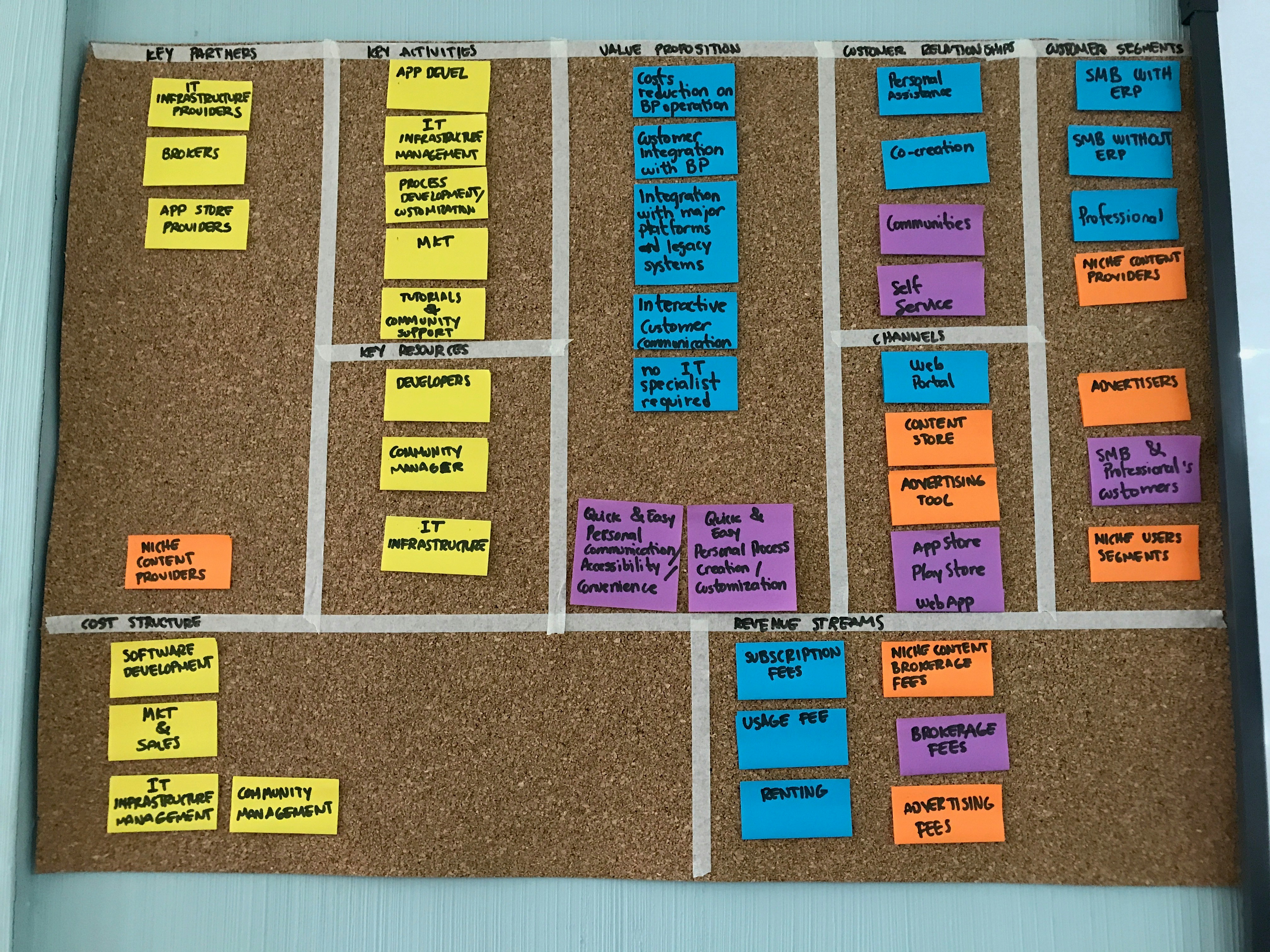
Understanding the Consulting Framework
The consulting framework is a structured method that consultants employ to evaluate organizational performance and address challenges effectively. At its core, this framework serves as a blueprint for diagnosing business problems and developing solutions that lead to substantial improvements. By utilizing a consulting framework, businesses can streamline their decision-making processes, ensuring they consistently align with strategic objectives.
These frameworks are crucial for organizational improvement because they provide a systematic approach to dissecting complex issues. Each framework typically breaks down the problem into manageable components, enabling consultants to analyze individual elements critically. This step-by-step breakdown not only aids in identifying root causes but also facilitates the exploration of potential solutions. Moreover, diverse consulting methodologies such as SWOT analysis, the McKinsey 7S Framework, and the Five Forces Analysis contribute unique perspectives and tools, enhancing the consulting process.
In this blog post, we focus on a specific consulting framework that has been rigorously tested and proven effective in resolving a multitude of business challenges within a tight timeframe. This framework incorporates elements of rapid assessment and action-oriented strategies, allowing consultants to pinpoint problems swiftly and implement solutions promptly—often within a 48-hour window. Through a combination of qualitative and quantitative analyses, this framework not only identifies areas of inefficiency but also helps in formulating actionable plans tailored to the organization’s unique context. As a result, businesses can expect to see immediate and lasting impacts from the solutions derived through this consulting framework.
Step-by-Step Approach: The 48-Hour Transformation
The consulting framework we utilize for a rapid transformation within a company spans a period of 48 hours, structured around a systematic process designed to efficiently diagnose issues and implement high-impact solutions. This approach begins with an initial assessment, which is critical in identifying the primary challenges facing the organization. During this phase, consultants gather existing documentation, review performance metrics, and conduct a preliminary evaluation of the company’s operational landscape.
The next step involves engaging with key stakeholders through targeted interviews. These discussions are vital as they provide insights into the perspectives of leadership and frontline employees, illuminating operational hurdles and cultural dynamics within the organization. The insights gained during these interviews enable our team to gain a holistic understanding of the organization, guiding subsequent phases of the intervention.
Following stakeholder engagement, a thorough data analysis is conducted. This step entails evaluating quantitative and qualitative data to identify patterns, anomalies, and opportunities for improvement. By examining this information, the consulting team can pinpoint root causes of dysfunction and prioritize areas that require immediate attention.
Once the analysis is complete, the focus shifts to solution brainstorming. This collaborative session allows consultants and stakeholders to generate creative and actionable strategies tailored to the company’s unique needs. The solutions must align with the overarching goals of the organization while being realistic given the time constraints.
Finally, the execution plan is crafted, which lays out a strategic roadmap for implementing solutions. This includes specific actions, timelines, and responsibilities to ensure accountability. Throughout this intensive period, effective time management and prioritization are emphasized to maximize impact within the limited timeframe of 48 hours, paving the way for sustainable transformation.
Real-World Case Studies: Success Stories
To illustrate the efficacy of our framework in tackling business challenges, we present several real-world case studies from diverse industries that exemplify successful interventions completed within a strict 48-hour timeframe.
One notable case involved a mid-sized manufacturing company facing severe operational inefficiencies. The initial problem was identified as a lack of streamlined communication between production teams, leading to delays and decreased productivity. Our approach began with a comprehensive assessment of their communication processes, followed by the implementation of a centralized communication platform. Within 48 hours, the production teams reported a significant improvement in coordination, resulting in a 30% increase in output within the first month. This swift turnaround not only boosted morale but also positioned the company for growth.
Another compelling success story came from a retail startup struggling with inventory management. The business was grappling with overstock and stockouts, which negatively impacted profitability. We employed our framework to analyze their inventory data and consumer purchasing patterns. Our team guided them through establishing just-in-time inventory practices and introduced inventory management software tailored to their needs. In just two days, the startup achieved a more accurate inventory turnover and saw a 25% reduction in holding costs, radically transforming their operational strategy.
Lastly, a healthcare provider turned to us when facing long patient wait times, which eroded customer satisfaction and referrals. We conducted a workflow analysis and identified redundancies in patient registration and triage processes. By redefining roles and implementing a new scheduling system, we improved patient flow significantly. The result was a 40% reduction in wait times within the given timeframe, elevating patient experiences and bolstering the provider’s reputation.
These case studies underscore the versatility and effectiveness of our framework across varying sectors, demonstrating that rapid solutions can lead to meaningful, lasting change.
Key Takeaways and Future Implications
Throughout the 48-hour consulting process discussed in previous sections, several critical lessons emerged that serve as invaluable takeaways for organizations aiming for rapid transformation. One prominent insight is the significance of identifying core issues swiftly. Effective diagnostics lay the groundwork for solutions tailored to a company’s unique circumstances, which is crucial in navigating today’s dynamic business landscape. By prioritizing accurate assessments, organizations can streamline interventions and realize immediate results.
Moreover, the value of engaging key stakeholders throughout the framework cannot be overstated. Involving diverse perspectives not only fosters collaborative strategies but also enhances buy-in for implementing changes. This collaborative environment is essential for fostering a culture of trust and transparency, which is particularly beneficial for long-term organizational health. Companies that embrace widespread participation in their strategic planning processes tend to experience stronger commitment from employees, driving sustained engagement and productivity.
As we consider the future implications of this consulting framework, it becomes clear that adaptability will be a significant determinant of sustained success. Organizations must be open to modifying their approaches in response to evolving market trends and technologies. Consulting practices are expected to grow increasingly sophisticated, leveraging data analytics and real-time feedback mechanisms to enhance decision-making processes. This evolution suggests that a shift towards a more integrated consulting model could enhance a company’s ability to anticipate challenges and innovate effectively.
In conclusion, companies seeking continuous improvement should thoughtfully consider integrating these key takeaways into their operational strategies. By customizing the framework to fit specific organizational needs, businesses can position themselves not only to address immediate challenges but also to thrive in an increasingly complex business environment. Embracing these principles fosters resilience and prepares companies for future growth opportunities.



Leave a Reply